
The Best Restaurant in Little Italy: A Local’s Guide to Spotting Authentic vs. Tourist Trap Restaurants
Walking down Mulberry Street in 2026, you’ll find string lights glowing overhead, the smell of garlic drifting from doorways, and about 50 italian restaurants packed into roughly six blocks. Little Italy has changed since its peak in the early 1900s when it spanned over 40 blocks—but the neighborhood still holds onto something special for those who know where to look.
The challenge? Visitors searching for the best restaurant Little Italy often feel overwhelmed. The area mixes family-run spots with decades of history alongside places that prioritize turning tables over turning out a good meal. That uncertainty shows up in over 10,000 monthly searches for guidance on where to eat here. To truly experience authentic Italian cuisine, it’s worth venturing off the beaten path to discover hidden gems that capture the real spirit of Little Italy.
While Little Italy is home to several family-owned institutions that serve high-quality, authentic fare, the neighborhood is also known for overpriced and mediocre restaurants that cater primarily to tourists. Many locals recommend caution, as some spots focus more on attracting out-of-towners than on delivering genuine Italian cuisine. In this guide, we’ll help you distinguish between authentic Italian dining experiences and the so-called “tourist traps” that line Mulberry Street. A “tourist trap” in Little Italy typically refers to a restaurant that prioritizes attracting visitors with aggressive marketing, inflated prices, and mediocre food, rather than focusing on the quality and tradition that define true Italian cuisine. Authentic restaurants, on the other hand, are often family-owned, have a long-standing history in the neighborhood, and are dedicated to serving genuine Italian dishes made with care and fresh ingredients.
At Paesano of Mulberry Street, we’ve been part of this neighborhood since 1961—three generations of family serving classic red sauce italian food at 136 Mulberry St. We’ve watched the street change, and we understand why first-time visitors feel cautious. This guide shares what we’ve learned about spotting authenticity, so your meal feels like a real New York memory instead of a rushed trip through a turnstile.
Introduction to the Neighborhood
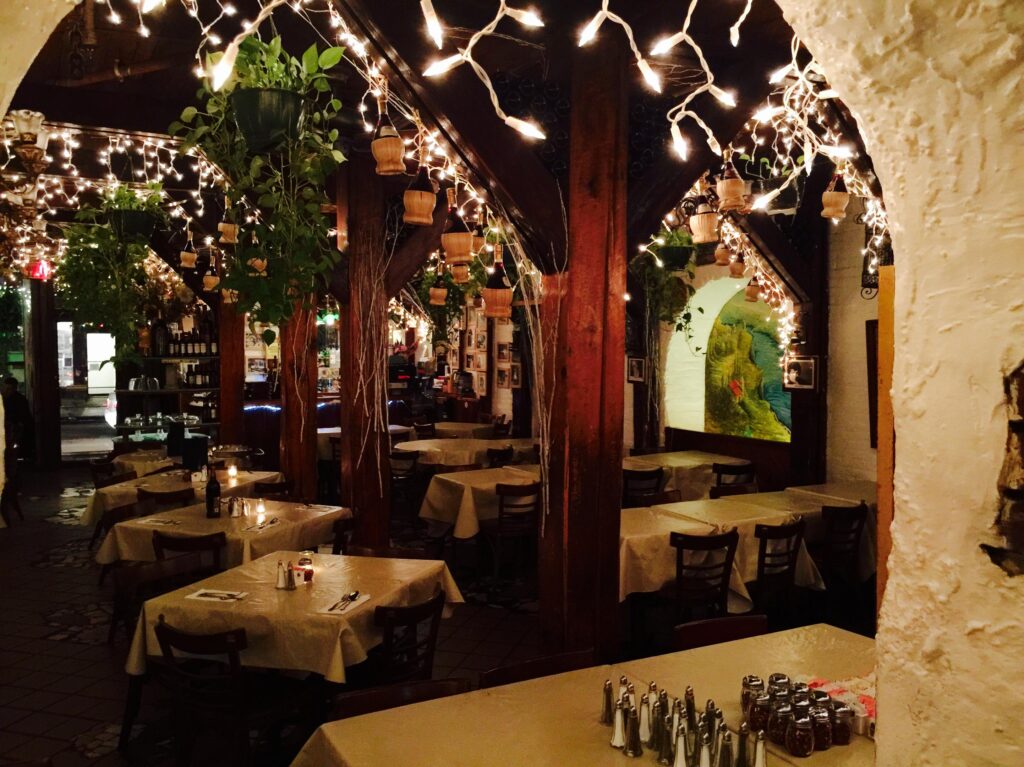
Nestled in the heart of New York City, Little Italy is a neighborhood where the spirit of Italy comes alive on every corner. As you stroll down Mulberry Street, you’re greeted by the inviting aromas of simmering sauces, fresh-baked pizza, and sweet gelato wafting from bustling Italian restaurants and cafes. This iconic stretch is the perfect balance of old-world charm and modern city energy, offering everything from classic pasta dishes to innovative takes on Italian seafood. Whether you’re planning a leisurely meal or just grabbing a quick bite, Little Italy’s vibrant atmosphere and rich culinary tradition make it a must-visit destination for food lovers. In today’s digital age, many restaurants here also prioritize your safety by performing security verification to protect against malicious bots, ensuring your dining experience is both secure and enjoyable. So, whether you’re a local or a visitor, you can explore the neighborhood with confidence, knowing that every meal is served with a side of authentic Italian hospitality and a verification successful guarantee.
History of Italian Immigration
Early Italian Immigrants
The story of Little Italy is deeply rooted in the waves of Italian immigrants who arrived in New York in the late 1800s and early 1900s, bringing with them the flavors and traditions of their homeland. These newcomers transformed the neighborhood into a vibrant hub of Italian culture, opening family-run bakeries, markets, and Italian restaurants that quickly became the heart of the community.
Lasting Culinary Traditions
Today, you can still taste that legacy in every bite—whether it’s a slice of brick oven pizza, a plate of crispy fried calamari, or a serving of baked clams, all made with the same fresh ingredients and care that defined the original recipes. Family style dining remains a hallmark of the area, with beloved spots like Il Cortile offering cozy settings where friends and families gather to share generous portions of pasta and seafood. Little Italy’s enduring appeal lies in its ability to preserve these authentic flavors and traditions, making every meal a celebration of both New York and Italy.
Authenticity Checklist: How to Spot an Authentic Restaurant on Mulberry Street
Here’s the fast way to tell if a place offers authentic Italian food on Mulberry Street or if it’s built for tour buses. Save this list on your phone and use it while you walk.
Green Flags (Signs of Authenticity):
Family ownership you can verify. Ask how long they’ve been open. Multi-generational spots like Paesano (founded 1961) take pride in their history and will tell you about it.
Staff who talk about the food, not the deal. Servers at authentic places discuss dishes, ingredients, and what’s fresh—not why you need to sit down right now.
Chefs are highlighted for their skill. Authentic restaurants often mention their chefs and the expertise they bring to preparing traditional Italian dishes, such as handcrafted seafood pasta, risotto, and house specialties.
A focused menu. Look for 20-40 core items built around traditional pastas, sauces, and mains. A menu trying to sell pizza, sushi, and pasta together is a red flag.
Locals mixed with tourists. If you hear New York accents at nearby tables, that’s a good sign the food verifies its reputation through repeat customers.
Calm hosts. An authentic restaurant lets you browse the posted menu without someone hovering or following you down the sidewalk.
Red Flags (Proceed with Caution):
Aggressive sidewalk pressure. If staff chase you down the street or physically guide you toward a table, keep walking. This “street-barking” appears in roughly 40% of negative Little Italy reviews.
Being rushed to sit. High-volume tourist spots aim for 3-4 table turns per night. If you feel herded, you’re about to eat on a conveyor belt.
Menus without prices. Vague “per person minimums” starting at $50-75 or missing price tags often lead to bill surprises.
Pushy upselling. Unrequested bottled water ($8-12 versus free tap), extra appetizers you didn’t order, or pressure to add items should raise concern.
Hidden fees. Automatic service charges of 18-20% that aren’t disclosed upfront can inflate your bill by 15-25%. Always ask before ordering.
Trust your instincts. If you feel uncomfortable, that’s your signal to explore other options. The right place will feel welcoming, not aggressive.
What to Look for on the Menu (and What It Says About the Kitchen)
The menu tells you whether you’re walking into a true italian kitchen or a tourist conveyor belt. Here’s what to scan before you sit down.
Pasta Standards
Look for classic cuts: rigatoni, spaghetti, fettuccine, linguine, ravioli, and gnocchi. These are the foundation of serious red sauce cooking.
Fresh pasta and proper al dente texture (firm to the bite) signal a kitchen that cares. Mushy noodles suggest shortcuts.
The use of fresh herbs in pasta dishes is a sign of a kitchen that values authentic flavor.
Traditional Sauces
A focused sauce list matters: marinara, vodka, Bolognese, pesto, and puttanesca are hallmarks of an authentic menu.
Beware of chaotic menus blending italian with every other cuisine. A restaurant trying to sell everything usually excels at nothing.
Seafood and Mains
Classics like linguine with clams, shrimp scampi, and frutti di mare indicate a kitchen versed in Italian seafood tradition.
Veal and chicken dishes—Parmigiana, Marsala, Francese—belong on any serious menu. These reflect the Southern Italian immigrant recipes that built this neighborhood.
Authentic menus also feature a variety of meat-based dishes, such as beef and pork, alongside seafood and chicken, offering hearty, protein-rich Italian specialties.
Pricing Transparency
Every dish should have a clear price. No mystery charges, no fine print about “service fees.”
Entrees typically run $24-42 at honest establishments. If pricing feels hidden, the bill probably will too.
At Paesano of Mulberry Street, we believe the food, history, and hospitality should speak for themselves. That philosophy has guided us since 1961.
No Street-Barking Policy:
Our staff never pressure passersby or chase people down the sidewalk. Walk by, browse our posted menu, and decide on your own time.
We let our 65-year reputation do the talking. If you choose to dine with us, it’s because the menu and atmosphere feel right—not because someone cornered you.
Transparent Pricing, No Hidden Fees:
Every price is clearly listed on our menu. What you see is what you pay.
There are no surprise “tourist charges,” automatic add-ons, or mysterious fees waiting on your bill. Gratuity policies are explained upfront if you ask.
What to Expect Inside:
A warm dining room with checkered tablecloths, brick walls, and classic Italian music playing softly—the kind of atmosphere that feels like traditional Downtown NYC dining.
Multi-generational staff who take pride in unhurried service. Your meal averages 75-90 minutes because we want you to enjoy it, not race through it.
Generous portions of fresh pasta made daily, seafood from quality sources, and veal and chicken prepared the way they’ve been made here for decades.
First time visiting and searching for authentic Italian food Mulberry Street style? Here’s what locals and repeat guests tend to order.
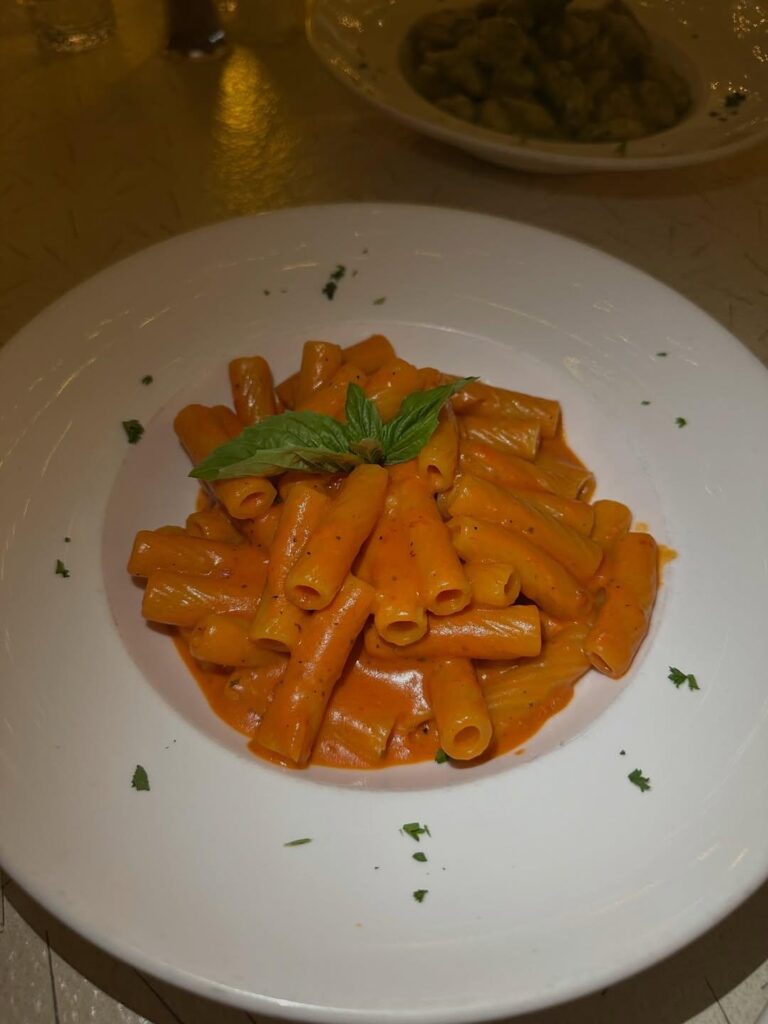
Rigatoni Vodka: Our house favorite. Rich, creamy tomato-vodka sauce clings to perfectly al dente rigatoni tubes. It’s the perfect balance of comfort and flavor that defines New York Italian-American cooking.
Off-Menu Pasta Trio (Pasta Sampler): For $24.95, taste three different pastas and sauces in one shareable plate. Ideal for groups, indecisive eaters, or anyone who wants to explore the menu in a single dish.
Seafood Pasta: Try the Frutti di Mare (mixed clams, mussels, shrimp, and calamari in red sauce) or Linguine with Clams in white wine-garlic broth. Both showcase what a real italian seafood kitchen can do.
Veal or Chicken Parmigiana: Crispy breaded cutlets under melted mozzarella and house marinara. A classic that’s earned its place on the menu for over 60 years.
Lunch Specials (11am-4pm): Full entrees at value pricing, lighter crowds, and easier walk-in seating. A smart move for anyone wanting the best restaurant Little Italy experience without the evening wait.
Little Italy is also famous for its traditional Italian cold cuts and sandwiches, which you can find at local delis and markets throughout the neighborhood. These spots offer a variety of imported meats, cheeses, and classic Italian subs for a true taste of Italian street food.
For those exploring the area, nearby establishments like Pasquale Jones on Grand Street are also popular for their wood-fired pizza and curated wine selection, making Grand Street a notable destination for Italian cuisine lovers, while Paesano of Mulberry Street remains a favorite for authentic, family-run Italian dining in the heart of Little Italy.
Cultural Significance of Little Italy in New York City
Little Italy isn’t just a place to eat—it’s a living celebration of Italian heritage and community spirit in New York City. Throughout the year, the neighborhood comes alive with events like the Feast of San Gennaro, drawing crowds eager to experience the fun, tradition, and rich flavors that define Italian culture. The streets are lined with specialty shops and markets, such as Di Palo’s, where you can sample cured meats, artisanal cheeses, and other Italian delicacies. Dining here means savoring fresh pasta dishes, from spaghetti to fettuccine, each served with a sauce that’s been perfected over generations. And no visit is complete without indulging in classic desserts like gelato or cannoli, which capture the sweetness of Italy in every bite. As you explore, you’ll find that Little Italy’s security service is always working behind the scenes to protect visitors and ensure a safe, welcoming environment. Whether you’re here to taste, explore, or simply soak up the neighborhood’s vibrant tradition, Little Italy offers a rich, authentic experience that keeps the spirit of Italy alive in the heart of the city.
Notable and Historic Restaurants & Bakeries in Little Italy
Little Italy is home to several historic and family-owned institutions that have helped define the neighborhood’s culinary reputation. These establishments are celebrated for their specialties and longstanding traditions:
Ferrara Bakery – Known for Italian pastries, cannoli, and espresso, Ferrara has been a staple since 1892.
Lombardi’s – The birthplace of modern pizza, opened in 1905, famous for its coal-fired pies.
Rubirosa – Renowned for thin-crust pizzas and a lively, group-friendly atmosphere.
Gelso & Grand – Popular for wood-fired pizzas and homemade pasta, blending modern style with classic flavors.
Casa D’Angelo – Offers homemade pasta and award-winning southern Italian dishes.
Osteria Barocca – Provides intimate dining and a fresh take on comfort food with authentic Italian dishes.
Il Cortile – An old-school Italian restaurant known for its rich, perfectly seasoned food and family-style portions.
Emilio’s Ballato – A favorite for celebrity clientele, serving simple, fundamental Italian dishes like tagliatelle alla Bolognese and linguine with white clam sauce.
Di Palo’s Fine Foods – A long-standing specialty grocer famous for Italian meats, cheeses, freshly made mozzarella and ricotta, and imported products.
Parisi Bakery – Established in 1903, celebrated for its excellent crusty bread and sandwiches, including the popular “Dennis” sandwich.
Caffé Roma – The oldest Italian bakery in New York, in operation since 1891, beloved for its pastries and desserts.
These iconic spots, along with others like Angelo’s of Mulberry Street (famous for Sunday gravy), showcase the variety and depth of Italian-American cuisine available in Little Italy, from pizza and pasta to seafood, sandwiches, and desserts.
Little Italy Dining Tips: When to Go, How to Choose & Avoid Surprises
These Little Italy dining tips help you eat like a local and sidestep common frustrations.
Timing Your Visit
5-7pm: Quieter tables, shorter wait times (under 15 minutes versus 45+ later). Good option for a relaxed dinner.
After 9pm: The street comes alive with energy, but expect crowds.
Lunch (11am-4pm): Walk-in seating is easiest during this window. Perfect for a leisurely meal before you explore the neighborhood.
Reading Menus Wisely
Always confirm prices before ordering. If something seems unclear, ask.
Check whether bread, water, or specials carry extra charges. At authentic spots, these are often complimentary or clearly priced.
Ask if gratuity is included. Better to know upfront than discover it on the bill.
Choosing Your Spot
It’s okay to take a lap down Mulberry. Look at a few menus, observe the crowd, and pick the place that feels right.
Restaurants located in the middle of Little Italy, especially on Mulberry Street, are convenient for exploring both the neighborhood and nearby attractions.
Polite phrases work: “We’re still deciding, thank you” or “We already have a plan for dinner” keeps things friendly while protecting your decision.
Make It a Full Evening
Pair your meal with a walk past classic bakeries or grab a gelato nearby. The area around di palo and other Italian stores offers snacks and cured meats worth exploring.
Chinatown sits just south—a short walk extends your Downtown adventure. You can also enjoy a variety of tea shops offering specialty teas, from loose leaf tea to bubble tea, for a unique cultural experience just steps away.
Sidebar: Little Italy’s Most Historic & Beloved Restaurants
Other top picks in Little Italy include:
Ferrara Bakery: Italian pastries, cannoli, and espresso since 1892.
Lombardi’s: Birthplace of modern pizza (coal-fired pies, est. 1905).
Rubirosa: Thin-crust pizza and a bustling, group-friendly dining room.
Gelso & Grand: Wood-fired pizza and homemade pasta in a modern setting.
Casa D’Angelo: Homemade pasta and southern Italian dishes.
Osteria Barocca: Authentic Italian comfort food in an intimate space.
Il Cortile: Old-school Italian, known for rich, perfectly seasoned food.
Emilio’s Ballato: Celebrity clientele and classic Italian dishes like tagliatelle alla Bolognese.
Di Palo’s Fine Foods: Italian meats, cheeses, and fresh mozzarella.
Parisi Bakery: Crusty bread and sandwiches, including the famous “Dennis.”
Caffé Roma: Oldest Italian bakery in NYC, beloved for pastries and desserts.
These institutions, alongside Paesano of Mulberry Street, represent the best of Little Italy’s enduring food culture—offering everything from iconic pizza and pasta to legendary pastries and sandwiches.
FAQ: Choosing the Best Restaurant in Little Italy (and Visiting Paesano)
Common questions people search before eating in Little Italy, answered directly.
Is Little Italy still worth visiting for Italian food? Yes. Little Italy remains a vibrant town within the city that continues to attract food lovers. While the neighborhood has shrunk, authentic red sauce holdouts remain. Look for family-owned spots with decades of history, and you’ll find a meal worth the trip to new york city.
How do I avoid tourist traps on Mulberry Street? Use the checklist above: no sidewalk pressure, clear pricing, focused menus, and a calm host. Trust your gut—if it feels like a hard sell, it probably is.
Does Paesano take reservations? Reservations are recommended for groups, especially on weekends. Call ahead or book through the website. Walk-ins are welcome during lunch and off-peak hours.
Does Paesano have lunch specials and takeout? Yes. Lunch specials run daily from 11am-4pm with full entrees at value pricing. Takeout and delivery are available for those who want the taste without the wait.
What makes Paesano different from other Little Italy restaurants? Family-owned since 1961. No street-barking. No hidden fees. Consistent quality across three generations. We’ve built our reputation on the food, not on chasing tourists.
Is Paesano good for families and special occasions? Absolutely. Our warm atmosphere, family style portions, and relaxed pacing make us a good option for celebrations, kids, and multi-generational gatherings.
Can I find vegetarian options? Yes. Pasta dishes with marinara, pesto, or vodka sauce work well, plus classics like Eggplant Parmigiana and veggie antipasto.
How do I get to 136 Mulberry St? Take the J/Z/N/Q/6 to Canal Street station. Paesano’s contact and visit page can help you confirm directions, hours, and reservation details. From Midtown, the B/D/F/M lines connect easily.
Your Authentic Little Italy Meal Awaits at Paesano
Finding authentic Italian food in Little Italy comes down to knowing what to look for—and trusting your instincts. A calm entrance, clear pricing, traditional dishes, and multi-generational pride are the signs that separate the real from the rushed.
At Paesano of Mulberry Street, we’ve been cooking classic red sauce favorites since 1961. Fresh pasta, honest pricing, no sidewalk pressure, and a dining room that feels like the neighborhood should. When someone asks us for the best restaurant Little Italy has to offer, we simply invite them to taste for themselves.
Stop by 136 Mulberry St, view our menu, and join us for lunch, dinner, or your next celebration. Whether it’s your first time in new york or your fiftieth walk down Mulberry, you’re welcome at our table.